The Average Lifespan of a Wood Fence in Portland, Oregon
When considering a new fence, one of the most practical questions homeowners ask is about its longevity. For wood fences, a popular choice for their natural beauty and classic appeal, the typical lifespan is between 15 to 20 years. This estimate assumes the fence is well-constructed and receives proper, regular maintenance. Many property owners begin to notice significant aesthetic declines, such as splitting, warping, or signs of rot, around the 15-year mark. While this 15-to-20-year window is a reliable benchmark, the actual durability of any specific wood fence can vary widely based on several critical factors.
Picture yourself standing in the backyard on a gray Portland morning, coffee in hand, staring at a leaning, weathered fence. The boards look rough, a few posts feel soft, and the same question so many homeowners ask starts rolling around in your head: how long do wood fences last, and is this one near the end of the line? We hear that exact thought from homeowners all the time.
So, how long do wood fences last in real neighborhoods? With good materials and steady care, most wood fences last around fifteen to twenty years. Here in the Pacific Northwest, though, constant rain, damp soil, and winter temperature swings can push wood much harder than in drier parts of the country. That means the way a fence is built and maintained matters even more.
In this guide, we walk through how long wood fences last on average, how wood type changes the numbers, and why our Portland and Salem climate is so tough on fences. We also share the maintenance steps that actually make a difference and simple ways to decide whether to repair or replace an older fence. At PNW Gates and Fence, we have seen fences fail in under ten years and others stay strong for well over two decades. We are glad to share what we have learned so a new or existing fence can give a property the privacy, security, and curb appeal it deserves.
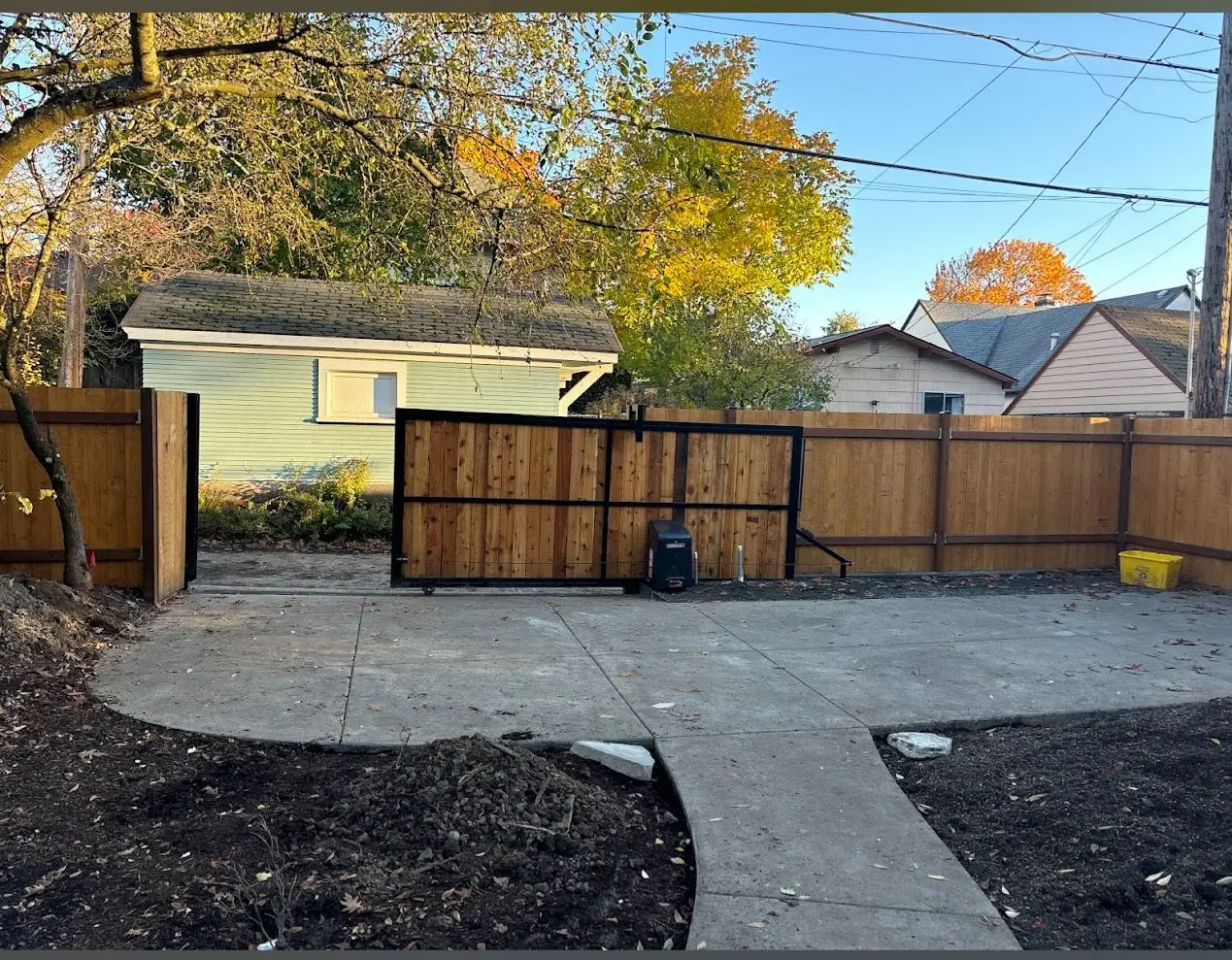
Key Takeaways
Most wood fences last about fifteen to twenty years when they are built well and cared for on a regular schedule. In the Pacific Northwest, moisture and soil conditions often determine how long a wood fence lasts before rot shows up. Choosing the right wood and protecting it from water are the two biggest factors.
Wood type, climate, installation quality, and upkeep are the key elements that change how long wood fences last in real life. Cedar and pressure treated pine handle the Portland and Salem weather better than many softwoods. Dense hardwoods such as ipe, mahogany, and tigerwood can push fence life far beyond the usual range.
Regular cleaning, sealing every two to three years, and quick repairs can add many extra seasons to a fence. Knowing when a simple fix is enough and when a full replacement makes more sense can save a lot of money. Our team at PNW Gates and Fence helps homeowners sort through those choices with honest, local advice.
How Long Do Wood Fences Last On Average?
When people ask us how long do wood fences last, we start with the general rule before looking at the details. According to the American Wood Council, a well‑built wood fence with decent materials and steady maintenance usually lasts between fifteen and twenty years. Around the fifteen‑year mark, we often see boards begin to split, rails start to sag, and the first serious signs of rot show up at the base of posts.
Different woods age in different ways, which changes the wood fence lifespan on a given property. In the Portland area, most residential fences use pressure treated pine, cedar, or, less often, exotic hardwoods. Each choice has its own balance of price, appearance, and lifespan.
Here is a simple overview:
Wood Type | Average Lifespan | Key Characteristic |
|---|---|---|
Pressure Treated Pine | 15–20 years | Economical choice treated to resist rot and insects |
Cedar | 15–20 years | Naturally resistant, warm color, stable and attractive |
Exotic Hardwoods | 25 years or more | Very dense, highly resistant to moisture and pests |
In our work across Portland, Salem, and nearby communities, we see fences at both ends of the range. Some untreated softwood fences need major work in under ten years, while cedar and hardwood fences with good care can serve for well over twenty. The numbers in the table are averages, not promises. The rest of this article explains why two fences built the same year on the same street can age so differently and how long wood fences last when each factor is handled well.
To put the averages into context:
In the first 5–10 years, most fences mainly show cosmetic changes such as fading and light checking.
Around 10–15 years, you may see more frequent loose boards, minor rot at the base of posts, and sagging rails.
After 15–20 years, many fences reach a point where structural issues are common enough that replacement starts to make more financial sense than repeated repairs.
As many fence installers like to say, “Wood doesn’t rot because it gets wet; it rots because it stays wet.” How long a wood fence lasts often comes down to how quickly it can dry out after our long Pacific Northwest storms.
Key Factors That Affect Wood Fence Lifespan
Several major factors decide whether a fence fails early or keeps standing well past the twenty‑year mark. The same street, the same year, and even the same contractor can still produce very different results depending on these details.
1. Wood Type
The first and biggest factor is the type of wood:
Cedar has natural oils and tannins that slow down rot and keep many insects away, which helps it stay solid longer.
Pressure treated pine does not have those natural defenses, so it is treated with preservatives that protect the wood from decay.
Dense hardwoods such as ipe, mahogany, and tigerwood are in a different league and give some of the longest answers when we talk about how long wood fences last in the Pacific Northwest.
2. Climate And Exposure
Climate and exposure come next, and they matter a lot here. Portland and Salem see months of rain, high humidity, and plenty of damp soil that never really dries out. Moisture is the main reason fences fail early, because it feeds the fungi that cause rot and keeps posts wet where they pass through the ground — a key finding explored in research on How Long Does A wooden fence last under varying climate conditions.
Sunlight also takes a toll by drying out the surface, fading the color, and opening small cracks, but water is still the main reason wood fence lifespan can swing by several years from yard to yard. A fence on a shaded, soggy slope will age faster than one on a sunny, well‑drained lot.
At PNW Gates and Fence, we often remind clients that “water management is just as important as wood selection” when it comes to fence life.
3. Installation Quality
Installation quality is another major piece that many people do not think about:
Posts need to be set at the right depth, in concrete or gravel that sheds water away from the wood, not toward it.
Rails and pickets should have proper spacing so air can move and water can drain instead of pooling.
Strong, galvanized or stainless fasteners keep rust stains and loose boards from showing up early.
We take these steps on every PNW Gates and Fence project because we know they change how long wood fences last more than most people expect.
4. Maintenance Habits
Maintenance habits also play a big role over time. A fence that is cleaned regularly, sealed every few years, and checked for small issues will almost always outlast one that is ignored. Pressure treated pine in particular needs consistent staining or painting to protect it from the sun and the steady Pacific Northwest rain. When homeowners ask how long wood fences last if they never touch them, the honest answer is that the lower end of the range is far more likely.
5. Daily Use And Physical Stress
Finally, day‑to‑day use and stress matter. Fences that hold back active dogs, basketballs, yard equipment, and heavy vines deal with more strain than a simple boundary fence in a quiet corner. Gates that slam or swing freely in the wind put extra pressure on nearby posts. All of these forces add up and shorten how long wood fences last unless they are supported with sturdy hardware and timely repairs.
Essential Maintenance Tips To Extend Your Wood Fence’s Life
Good maintenance is the number one way to stretch how long wood fences last beyond the average. Many of the fences we replace did not fail because the wood was poor, but because small problems were left alone for too long. A simple, steady routine can protect a fence from the two biggest enemies in the Pacific Northwest: moisture and neglect.
Here are practical steps that make a real difference:
Clean The Fence Once A Year
Clean the fence about once a year with a gentle pressure wash or a scrub brush and mild cleaner. This removes dirt, moss, algae, and mildew that trap water against the wood. When the surface can dry quickly after rain, rot is much slower to start, and that extra drying time improves how long wood fences last in our wet climate. If you use a pressure washer, keep the pressure low and the nozzle moving to avoid gouging the boards.
Seal Or Stain Every Two To Three Years
Seal or stain the fence every two or three years with a product made for exterior wood. A clear water seal helps keep moisture out of the grain, while a tinted stain adds strong protection against the sun. In our weather, we often suggest staying closer to the two‑year mark, because that schedule gives better odds when homeowners ask how long wood fences last on the west side of the Cascades.
Inspect The Fence Twice A Year
Inspect the fence at least twice a year by walking the line and pushing gently on posts and sections. Look for:
Soft, spongy spots near the ground
Loose or cracked boards
Rusted nails or screws
Rails that are starting to sag
We have seen many cases where one weak post, left alone, pulled down an entire run of fence that could have been saved with a small, early repair.
Control Plants And Water Around The Fence
Control plants and water around the fence to keep the wood as dry as possible. Trim back shrubs, vines, and low branches so they do not rub on the boards or hold moisture against them. Adjust sprinklers so they water the grass, not the fence, since daily soaking from irrigation can undo all the work of sealing and shorten how long wood fences last in a backyard.
Start With The Right Materials And Hardware
Start with the right materials and hardware so each bit of maintenance goes further. We guide homeowners toward cedar, pressure treated lumber, or dense hardwoods that match their budget and goals. When solid wood is paired with quality posts, concrete footings, and strong hinges and latches on gates, each coat of stain and each small repair adds real years to the fence’s life.
A simple rule of thumb: “If you would not ignore a roof leak, do not ignore fence rot.” Catching issues early is almost always cheaper than waiting.
How Wood Fences Compare To Other Fencing Materials
Many homeowners who ask how long wood fences last are really weighing wood against vinyl, aluminum, or composite options. Wood has a warm, natural look and a lower starting price, but it does ask for more care over time. Other materials trade that charm and flexibility for extra years and less upkeep.
Here is a side‑by‑side look:
Material | Average Lifespan | Maintenance Level | Relative Upfront Cost |
|---|---|---|---|
Wood | 15–20 years | High, yearly care | Low to Medium |
Vinyl | 50 years or more | Very low | Medium to High |
Aluminum | 50 years or more | Very low | High |
Composite | 20–25 years | Low | High |
A few points to consider:
Vinyl fences can last for several decades with little more than an occasional rinse, and they do not rot, warp, or host insects. Style choices have improved a lot, though color options are still more limited than paint or stain on wood.
Aluminum fences stand up very well in our rainy climate and are a strong choice for security or pool enclosures, though they do not offer privacy.
Composite boards mix wood fibers and plastic, which gives a wood‑like appearance with far less maintenance and longer life than many softwood fences.
Wood still holds a strong place because of its classic look, design flexibility, and cost. It can be built into everything from traditional picket fences with a modern twist to tall privacy fences using reclaimed boards for an eco‑minded style. For homeowners who love that look and are willing to care for it, wood can be a great choice.
When we talk through options at PNW Gates and Fence, we explain how long wood fences last compared with other materials and help match the fence style to the level of maintenance a household feels comfortable with.
When To Repair Vs. Replace Your Wood Fence
At some point, every owner of a wood fence starts to wonder whether it makes sense to keep fixing it. Age, damage, and weather all blend together, and it can be hard to tell from the yard alone whether a fence has many good years left. We look at how long wood fences last in our area and how much of the structure is still sound before suggesting any path.
Repair usually makes sense when:
Most posts are solid and do not move when pushed.
Damage is limited to a few boards or rails.
The fence is under about fifteen years old.
Leaning sections still feel firm once you straighten them.
Small pockets of rot near one or two posts, surface mold or mildew, or a slightly leaning section that still feels firm can usually be handled with targeted work. In these cases, a mix of new lumber, fresh hardware, and updated stain can reset the clock on how long wood fences last for that property.
Replacement is often the better choice when:
Rot is widespread across many posts and rails.
Insects have hollowed out several posts.
More than a third of the fence is failing.
The fence is well past the typical fifteen to twenty‑year span and shows major sagging, broken rails, and crumbling posts.
When a fence reaches that point, ongoing patch work can add up fast. When we visit a site, we always explain whether a focused repair or a full, new fence built with cedar, pressure treated wood, or hardwood will give better long‑term value for the Portland or Salem home.
A helpful question to ask is: “Will this repair safely buy me another five years, or am I just getting through one more winter?” The answer often points you toward repair or replacement.
So, how long do wood fences last when everything goes right? For most homeowners, the honest range is still about fifteen to twenty years, but careful material choices, solid installation, and steady maintenance can move a fence toward the high end or beyond. In the Pacific Northwest, the constant rain means moisture protection is just as important as the boards themselves.
At PNW Gates and Fence, we design and build custom wood fences and matching gates with this climate in mind. We lean on cedar, pressure treated lumber, and premium hardwoods such as ipe, mahogany, and tigerwood when homeowners want the longest possible answer to how long wood fences last on their property. From modern picket designs to tall privacy lines, we focus on fences that stay strong, not just good looking on day one.
Whether a fence is starting to lean or a new one is only an idea on paper, we are here to help. Our licensed, insured team serves Portland, Salem, and nearby Oregon and Washington communities with honest advice and careful craftsmanship. If it is time to talk through how long wood fences last for a specific yard and what will work best there, we are only a call or message away.
FAQs
Before we wrap up, we want to answer a few common questions we hear from homeowners across the region. These come up often during estimates and inspections, especially when people are trying to weigh repairs against a full replacement. Clear answers help make choices feel less stressful.
How Long Does A Wood Fence Last In The Pacific Northwest?
In the Pacific Northwest, how long wood fences last depends even more on moisture control than in many other places. Without good materials and regular sealing, some fences start to fail in under fifteen years because posts stay wet almost all winter — a pattern consistent with studies on What’s the Life Expectancy of wood fences in high-moisture environments. With cedar or pressure-treated wood, solid installation, and careful upkeep, many Portland and Salem fences still reach or pass that fifteen to twenty‑year range.
How Often Should I Seal Or Stain My Wood Fence?
Most fences in our climate need a fresh coat of sealant or stain every two to three years. The heavy rain and long wet season around Portland usually make the shorter side of that range a safer choice. We also remind homeowners to let new pressure treated wood dry out fully before the first coat, since that helps the product soak in and support how long wood fences last.
What Is The Longest Lasting Wood For A Fence?
The longest lasting wood fences we build use very dense hardwoods such as ipe, mahogany, or tigerwood. These species naturally resist moisture, decay, and insects, which makes them a strong match for the Pacific Northwest and improves how long wood fences last by a wide margin. At PNW Gates and Fence, we offer these options along with high‑quality cedar so homeowners can balance upfront cost, appearance, and long‑term performance.